The Power of Visual Design Templates
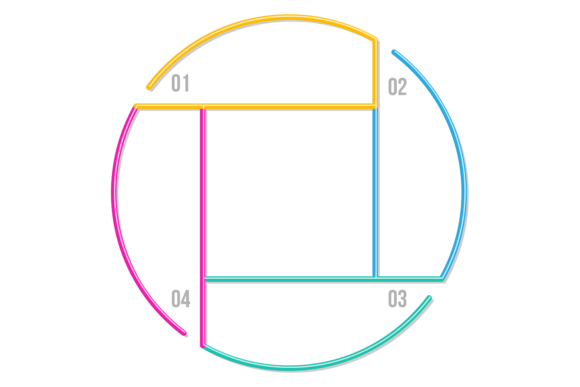
Imagine a design asset that instantly adds structure, style, and clarity to your creative projects. That’s the practical magic offered by templates like the Infographioc Color Line Shape Template, which provides a foundational visual framework ready for your unique content. These resources are more than just decorative files; they are essential tools for efficient, high-quality visual communication.
Elevating Your Visual Communication
In today’s fast-paced digital landscape, the ability to communicate information quickly and beautifully is paramount. A well-designed template provides a professional starting point, ensuring visual cohesion across all your materials. The versatility of formats like EPS, JPG, SVG, and transparent PNG means these assets can be scaled from social media icons to large-scale print designs without losing quality.
Core Applications in Modern Design
The applications for such a versatile template are vast. They streamline workflows and elevate the final output across numerous disciplines.
- Branding & Identity: A template with strong geometric shapes and a defined color palette can inspire logo variations, brand pattern development, and consistent marketing collateral.
- Digital & Social Media: Use isolated elements, like a round text frame, to create engaging posts, infographics, and banners that capture attention and improve user experience.
- Web & UI Design: The clean lines and shapes can serve as visual cues, section dividers, or background elements to enhance website layouts and app interfaces.
- Editorial & Print: Templates offer a layout skeleton for reports, magazines, and presentations, establishing a clear visual hierarchy and modern aesthetic.
- Product & Packaging: These design elements can be adapted for merchandise labels, packaging patterns, and digital product graphics, ensuring a professional presentation.
Selecting and Using Design Assets Wisely
To maximize the value of any design template, consider a few key principles. First, assess its compatibility with your existing brand identity or project goals. Does the color palette align? Do the shapes convey the right tone—modern, playful, or authoritative? Second, prioritize scalability and adaptability; an SVG file allows infinite resizing, while a transparent PNG offers easy layering.
Think about how you can build upon the foundation. A template provides structure, but your content—your typography, imagery, and messaging—fills it with meaning. The interplay between the provided shapes and your chosen fonts creates the final visual impact.
Building a Cohesive Visual Language
Consistency is the cornerstone of effective branding and communication. Using a template as a starting point across different projects—from an advertising campaign to internal presentations—builds a recognizable visual language. This consistency reinforces brand recall, builds trust with your audience, and streamlines the creative process for your team. It allows you to maintain a high standard of design quality without requiring extensive time or resources for each new asset.
Consider the role of each element. The “line” might guide the viewer’s eye, the “shape” might create focal points, and the “color” evokes emotion. When these are thoughtfully combined, they create a balanced composition that is both aesthetically pleasing and functionally clear.
Ultimately, investing in quality creative assets is about empowering your communication. A robust template like the Infographioc Color Line Shape Template is not a constraint, but a catalyst. It provides a reliable framework upon which creativity can flourish, ensuring your ideas are presented with clarity, impact, and professional polish. Whether you're a seasoned designer refining a brand system or a business owner crafting your next campaign, thoughtful design choices rooted in solid assets will always enhance both the aesthetics and the effectiveness of your message.